AI Optimization (AIO): How to Actually Get Found in AI Search Results in 2026
AI Optimization (AIO): How to Actually Get Found in AI Search Results in 2026
(And why it’s not the same as SEO)
AI is changing how people search — fast.
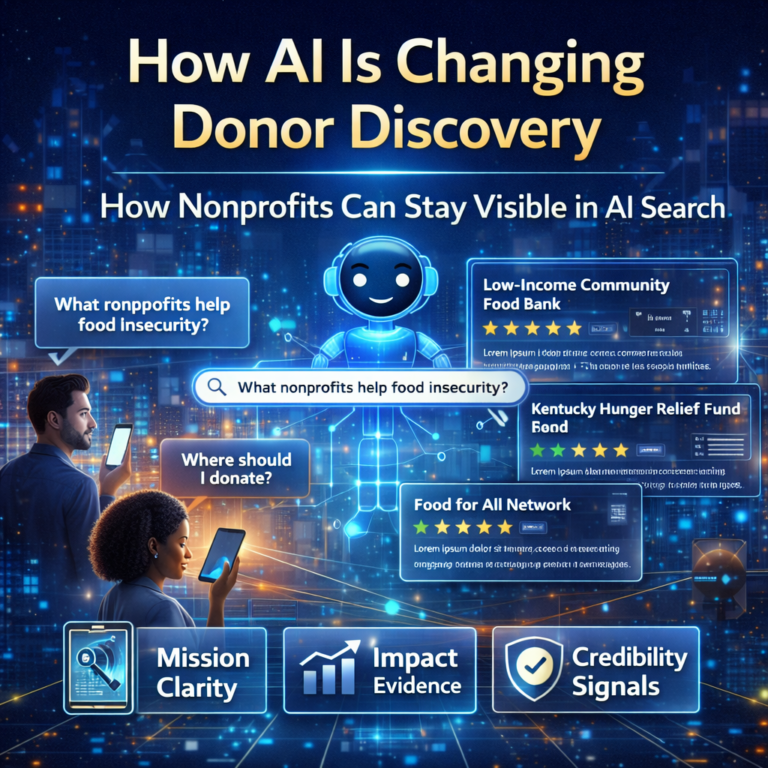
Instead of scrolling through 10 blue links, users are now asking AI tools like ChatGPT, Google AI Overviews, Gemini, Perplexity, and Copilot questions like:
- “What’s the best SEO agency for nonprofits?”
- “How do I get more leads from Google without ads?”
- “Who offers Google Ad Grant management near me?”
- “What’s the best marketing partner for a small business?”
And the biggest shift is this:
✅ People aren’t just searching for websites anymore…
They’re searching for answers, and AI is choosing who to recommend.
That’s why a new strategy matters:
AI Optimization (AIO)
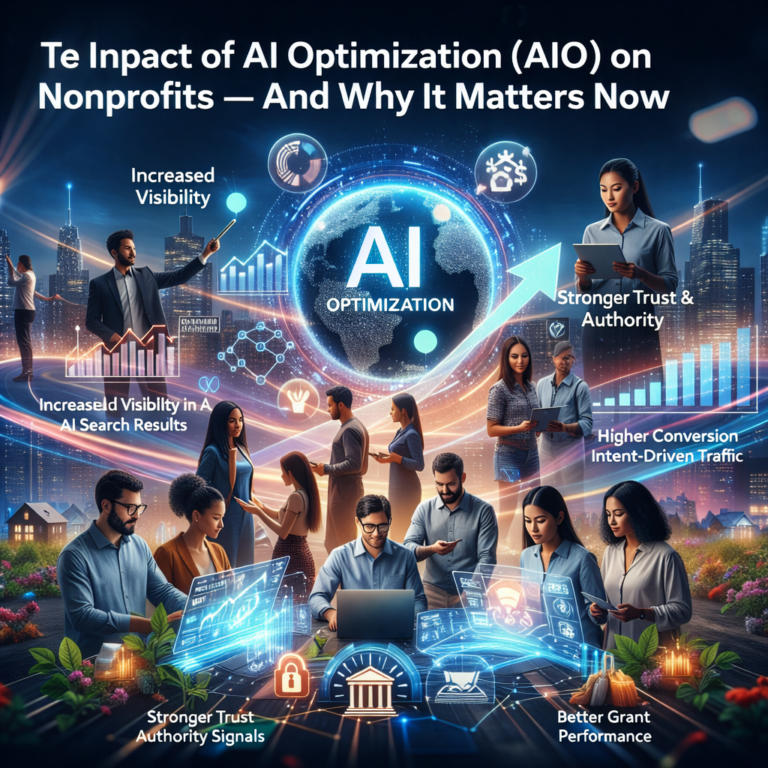
AIO is the process of structuring your website and online presence so AI systems can understand your business, trust it, and include it in recommendations.
If SEO is “rank on Google,” then AIO is:
Become the trusted source AI pulls from.
Let’s break down what this means — and how to start winning.
What is AI Optimization (AIO)?
AI Optimization (AIO) is your “AI-ready presence.”
It focuses on:
- How your content is interpreted by AI models
- Whether your business is seen as authoritative and trustworthy
- Whether AI can extract useful “answerable” information from your site
- Whether AI tools are likely to cite, quote, or recommend you
AIO is already impacting traffic, leads, and buyer behavior — and we’re still early.
AIO vs SEO: What’s the Difference?
SEO is still important — but AI search introduces new rules.
Traditional SEO is:
- keywords
- backlinks
- page speed
- metadata
- ranking factors
AI Optimization (AIO) is:
- entities
- semantic clarity
- structured content
- scannable explanations
- credible citations
- schema + context
- trust signals
In short:
SEO helps search engines rank you.
AIO helps AI engines understand and recommend you.
Why Businesses Are Losing Leads Without Realizing It
Many websites still look “fine” on the surface… but fail in AI environments.
Here are some common issues we see:
1) Content is written for bots, not answers
A lot of SEO content is keyword-heavy fluff.
AI engines don’t want fluff. They want clear, direct, accurate answers.
2) The business isn’t clearly defined
If your site doesn’t clearly communicate:
- what you do
- who you help
- your location/service area
- your services/pricing approach
- proof (case studies, testimonials)
AI tools struggle to confidently recommend you.
3) No real trust signals
AI-driven search increasingly favors:
- reputable brands
- experts
- organizations with proof
- clear about pages and credentials
- transparent service descriptions
If your site looks vague, generic, or thin — you’ll get ignored.
The 7 AIO Signals That Increase Your Chances of Being Recommended by AI
Here’s what consistently improves visibility in AI search results:
1) Clear service pages (not vague marketing pages)
Your service pages should include:
- specific deliverables
- who it’s for
- timeline expectations
- outcomes
- FAQs
AI loves specificity.
2) Strong internal linking and topical “clusters”
Instead of random blog posts, build connected themes like:
- AI Optimization
- SEO
- Google Ads / Ad Grants
- Analytics & Conversion Tracking
- Local SEO & GMB/GBP optimization
This signals topical authority.
3) Schema / structured data (especially Organization + FAQ)
Schema doesn’t magically rank you…
…but it makes your content machine-readable, which is exactly what AI needs.
Recommended schema types include:
OrganizationLocalBusinessServiceFAQPageArticleBreadcrumbList
4) Fast, clean, reliable website experience
Technical issues reduce trust — both for people and crawlers.
AIO requires:
- clean page structure
- no weird UX blockers
- readable formatting
- mobile speed
- crawlable navigation
5) Legit credibility on-site
AI systems heavily weigh legitimacy.
Your site should include:
- real photos (optional but helpful)
- case studies
- testimonials
- clear business info
- team details (even if small)
- contact transparency
6) Answer-friendly formatting
This is HUGE.
Use:
- short paragraphs
- bold key answers
- bullet lists
- headings that match questions people ask
AI extracts content like this far more effectively.
7) Consistent publishing cadence
One-off posts don’t build authority.
A simple weekly cadence builds “data gravity” — your site becomes a living resource.
What Right Meow Digital Does Differently
At Right Meow Digital, we don’t treat AI as a buzzword.
We treat it like a search ecosystem shift.
Our AIO approach is built for real leads, not vanity rankings.
That includes:
✅ AI-friendly service content
✅ SEO foundations that still matter
✅ schema + structured data support
✅ technical optimization and crawlability
✅ Google Business Profile support
✅ analytics that prove what’s working
Want to Know If Your Website Is AI-Ready?
If you’re not sure where you stand, we can help.
A quick AIO audit can show:
- what AI tools “think” your business is
- what topics you’re associated with (or missing)
- whether your site is extractable and cite-worthy
- what content gaps are blocking visibility
👉 Reach out through our contact page to request an AIO review and recommendations.
Final Thought: SEO Isn’t Dead — It’s Evolving
AI search isn’t replacing SEO.
It’s evolving the game.
The businesses that win won’t just “rank.”
They’ll be the ones AI tools confidently recommend.
And that’s what AIO is all about.