Google Ad Grant Utilization: Why Most Nonprofits Never Use the Full $10,000 (and How to Fix It)
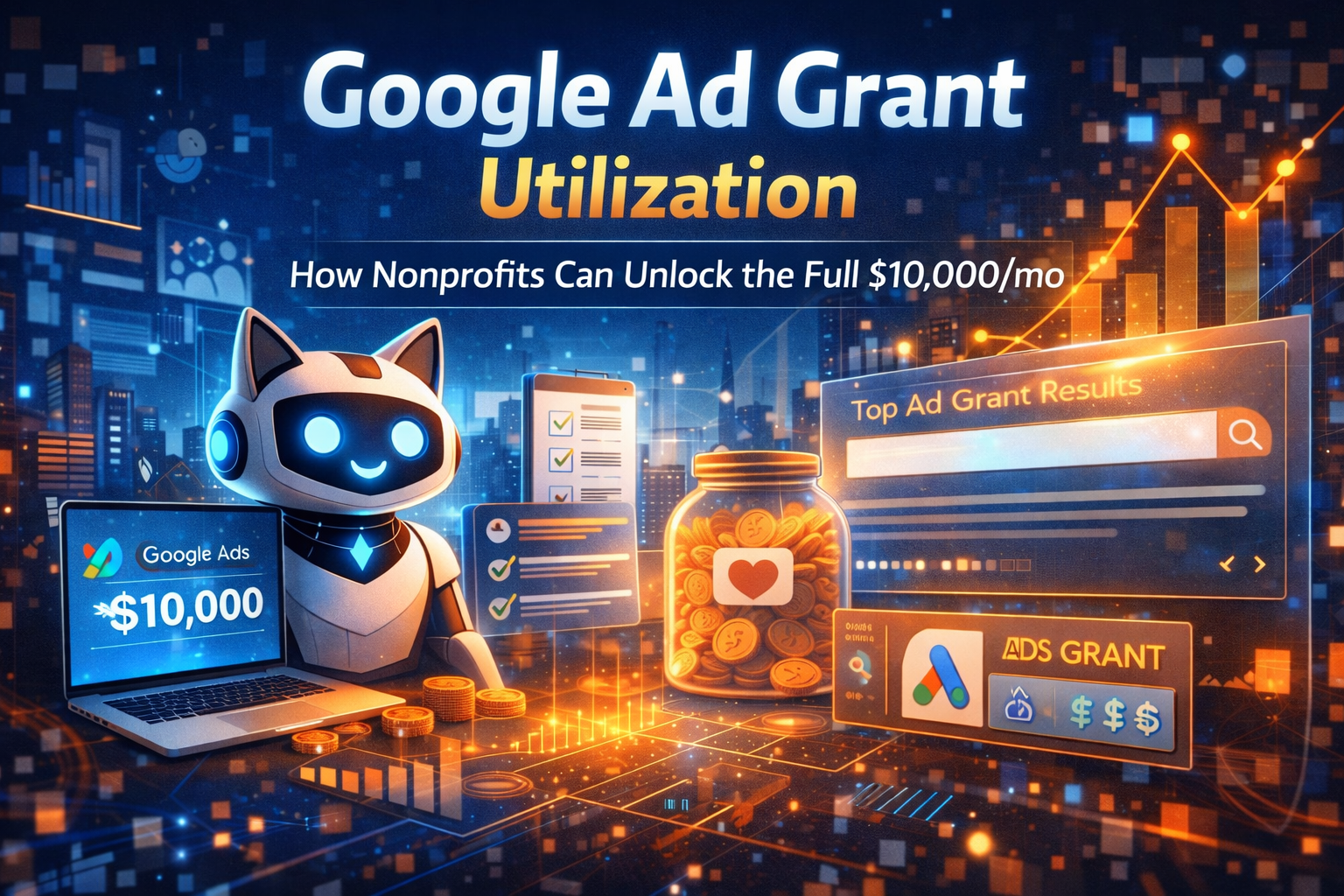
Google offers eligible nonprofits up to $10,000 per month in free advertising through the Google Ad Grants program.
Yet most nonprofits never come close to using it.
Some spend only a few hundred dollars per month.
Others lose eligibility entirely.
Many don’t even realize they’re underperforming.
This isn’t a funding problem — it’s a utilization problem.
Let’s break down what Google Grant utilization actually means, why it’s so low for most organizations, and what nonprofits can do to unlock the full value of their grant.
What Is Google Ad Grant Utilization?
Google Ad Grant utilization simply refers to how much of the available $10,000 monthly budget is actually spent.
- 100% utilization = ~$329/day consistently spent
- 50% utilization = ~$5,000/month
- 10% utilization = ~$1,000/month
High utilization usually means:
- strong keyword coverage
- eligible ads
- good Quality Scores
- enough search demand
- compliant account structure
Low utilization means something is blocking scale.
Why Most Nonprofits Struggle to Spend the Grant
After managing hundreds of grant accounts, the same issues come up again and again.
1. Overly restrictive keyword strategies
Many nonprofits are advised to target only:
- branded terms
- ultra-specific keywords
- low-volume phrases
This dramatically limits reach.
Google Grants can (and should) target:
- mission-related topics
- problem-based searches
- educational queries
- awareness-stage keywords
Without top-of-funnel coverage, you’ll never scale spend.
2. Quality Score bottlenecks
Google Grants still use Quality Score — and low scores kill delivery.
Common causes:
- thin landing pages
- mismatched ad copy
- slow or confusing pages
- generic CTAs
If Google doesn’t trust your ads to help users, it won’t show them — free or not.
3. Compliance fear
Many nonprofits play it too safe.
Yes, there are rules:
- 5% minimum CTR
- no single-word keywords
- no overly generic terms
- no commercial intent
But compliance does not mean minimalism.
Well-structured accounts can scale aggressively and stay compliant.
4. Poor conversion tracking
If conversions aren’t tracked properly:
- Google can’t optimize
- Smart bidding is crippled
- Spend stalls
We still see accounts using:
- outdated GA setups
- no conversion signals
- broken thank-you pages
- or no tracking at all
This alone can cap utilization.
5. Landing pages that don’t match intent
A single “Donate” page cannot support:
- volunteer keywords
- education searches
- program-related queries
- advocacy intent
When intent mismatches content, Google throttles delivery.
What High-Utilization Grant Accounts Do Differently
Accounts that consistently spend $7k–$10k/month share a few traits.
They build keyword ecosystems, not lists
High-performing accounts include:
- awareness keywords
- mid-funnel educational terms
- program-specific searches
- long-tail question-based queries
This expands eligible impressions dramatically.
They align ads, keywords, and landing pages tightly
Every major keyword theme has:
- matching ad copy
- relevant landing content
- a clear next step (not always “donate”)
This boosts Quality Score and unlocks scale.
They use smart bidding correctly
With clean conversion data:
- Maximize Conversions
- Maximize Conversion Value
- or carefully tuned Target CPA
Smart bidding helps Google find spend opportunities you’d never reach manually.
They think beyond donations
Some of the highest-utilization accounts optimize for:
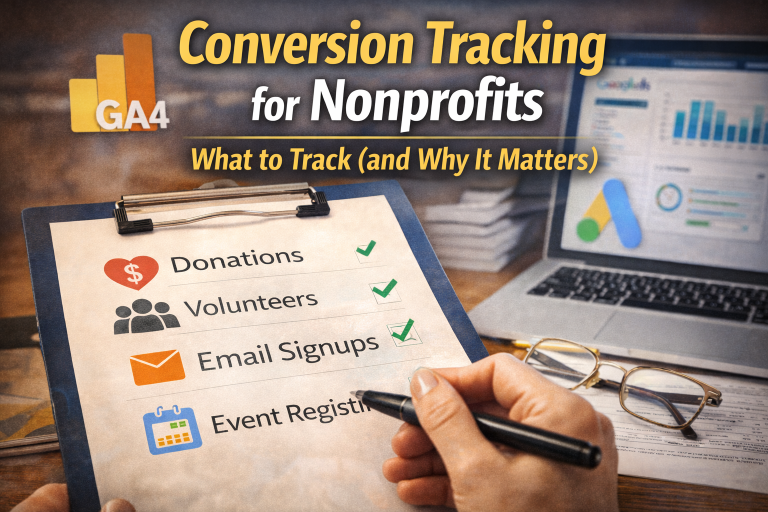
- email signups
- resource downloads
- event registrations
- volunteer interest
- program awareness
These signals fuel smarter delivery and more impressions.
Google Grant Utilization in the AI Search Era
This is where things get interesting.
As AI-powered search expands:
- nonprofits with strong content ecosystems win more visibility
- educational pages fuel both SEO and Google Ads
- AI Overviews increasingly cite trusted nonprofit resources
Well-utilized grant accounts often support:
- blog content
- learning centers
- FAQs
- program explainers
This creates a flywheel:
Paid traffic → engagement → better signals → more visibility (paid + organic + AI).
What’s a “Good” Utilization Benchmark?
While every nonprofit is different, rough benchmarks look like this:
- < $1,000/month: Something is broken
- $1k–$3k: Early-stage or under-optimized
- $3k–$6k: Solid foundation, room to grow
- $6k–$8k: Strong performance
- $8k–$10k: Excellent utilization
The goal isn’t spending for the sake of spending — it’s qualified impact.
How to Improve Your Google Grant Utilization
If you want practical next steps:
- Audit keyword coverage (are you top-of-funnel enough?)
- Review Quality Scores by theme
- Validate conversion tracking
- Expand landing page depth
- Check compliance after scale, not before it
- Align grant strategy with real nonprofit goals
Final Thought
Google Ad Grants are one of the most generous marketing programs ever created for nonprofits — but they reward strategy, not just eligibility.
High utilization doesn’t happen by accident.
It’s built intentionally, over time, with the right structure and data.
If your organization isn’t close to spending the full grant, there’s almost always untapped opportunity sitting right in front of you.